Home / Resources / POCT software for private clinics

Buying guides · Private clinics

POCT software for private clinics

From booking to result to invoice in one connected workflow, on the analysers you already own.

Published 1 July 2026 · Last reviewed: July 2026 · 6 min read

A private clinic's testing day is held together by typing. The front desk books the appointment in one system. The tests run on analysers that keep the results to themselves. Someone reads each result off a screen or a printout and types it into a report template. Someone else raises the invoice in a third system and chases the payment. Between those steps sit the errors, the delays and the evenings spent catching up.

POCT software for private clinics exists to replace that chain with one connected workflow: the patient is registered once, the analysers send their results straight into the record, the report is generated rather than typed, and the invoice comes off the same visit. This page walks through what that looks like in practice and what to check before you buy.

The day as it usually runs

Whether you run a health-screening clinic, a GP practice with in-house bloods, a wellness or longevity clinic, or an aesthetics practice adding diagnostics, the pattern repeats:

  • Booking happens at the front desk or online, in a diary that knows nothing about the tests.
  • Testing happens on the bench. The analyser shows a result, perhaps prints it, and moves on.
  • Typing happens later. A nurse or administrator copies results into a Word or Excel template, formats it, and emails a PDF. Under time pressure, digits transpose and units go missing.
  • Invoicing happens separately again, and reconciling what was tested against what was billed is a month-end job nobody enjoys.
  • QC and records live in a folder, if they live anywhere, and an accreditation visit means a week of preparation.

None of these steps is hard on its own. The cost is the joins: every hand-off is re-typing, and re-typing is where results are delayed, mistyped or lost.

What one connected workflow looks like

With a clinic-grade POCT platform, the same day runs differently. The patient is registered once, and the visit carries through every step. The analyser sends its result the moment the run completes, and it lands against the right patient with the operator's name attached. The clinician reviews on screen. The report generates in the clinic's own branding and goes out the same day. The invoice is raised from the visit itself, tests already itemised, card payment taken. And every step is written to an audit trail as it happens, not reconstructed later.

The difference a patient notices is speed: results the same day instead of "we'll email you next week". The difference the clinic manager notices is that the typing, the chasing and the month-end reconciliation simply stop being jobs.

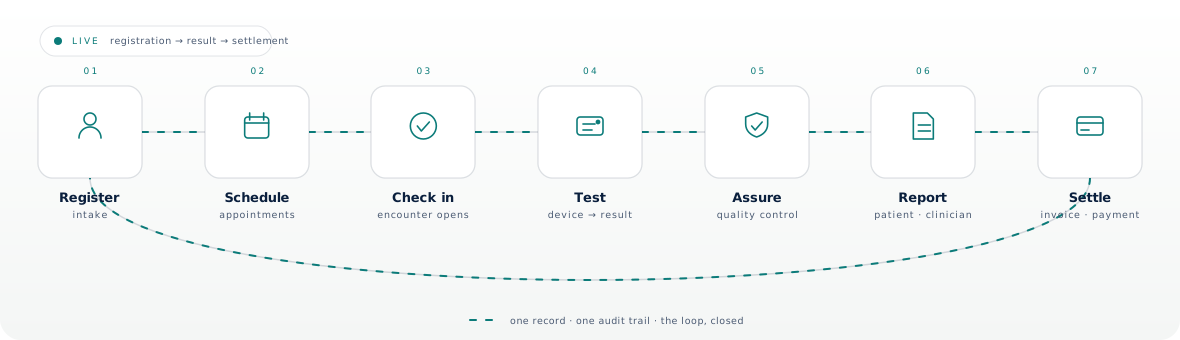
How it flows

The clinic day, register to settle.

Clinic workflow loop diagram: Register, Schedule, Check in, Test, Assure, Report and Settle, closing back to one record

Before you buy

Proof points to check before you buy.

It works with the devices you already own

You should not need to replace analysers to connect them. Catenix connects across vendors using HL7 v2, POCT1-A2, ASTM E1394 and vendor formats; see the supported devices and the connectivity layer, and ask any vendor to demonstrate with your actual device list, live.

Branded reports, not templates you maintain

Reports carry your clinic's identity and generate from the captured data, so the number on the report is the number the analyser produced. No retyping between bench and PDF.

Packages and card billing built in

Private work is sold as panels and packages: define them, price them, invoice from the visit and take payment, with testing and billing agreeing by construction rather than by reconciliation.

A full audit trail

Every result traceable to the operator, the device, the time and the QC state of the analyser that day: a query, not an archaeology project. The quality module holds the QC side; our QC software guide explains what good looks like.

No hospital LIS required

Hospital middleware assumes a LIS sits behind it; most private clinics have none, and should not need one. A clinic platform carries the record on its own; the background is in our middleware guide.

Settle

The invoice comes off the same visit.

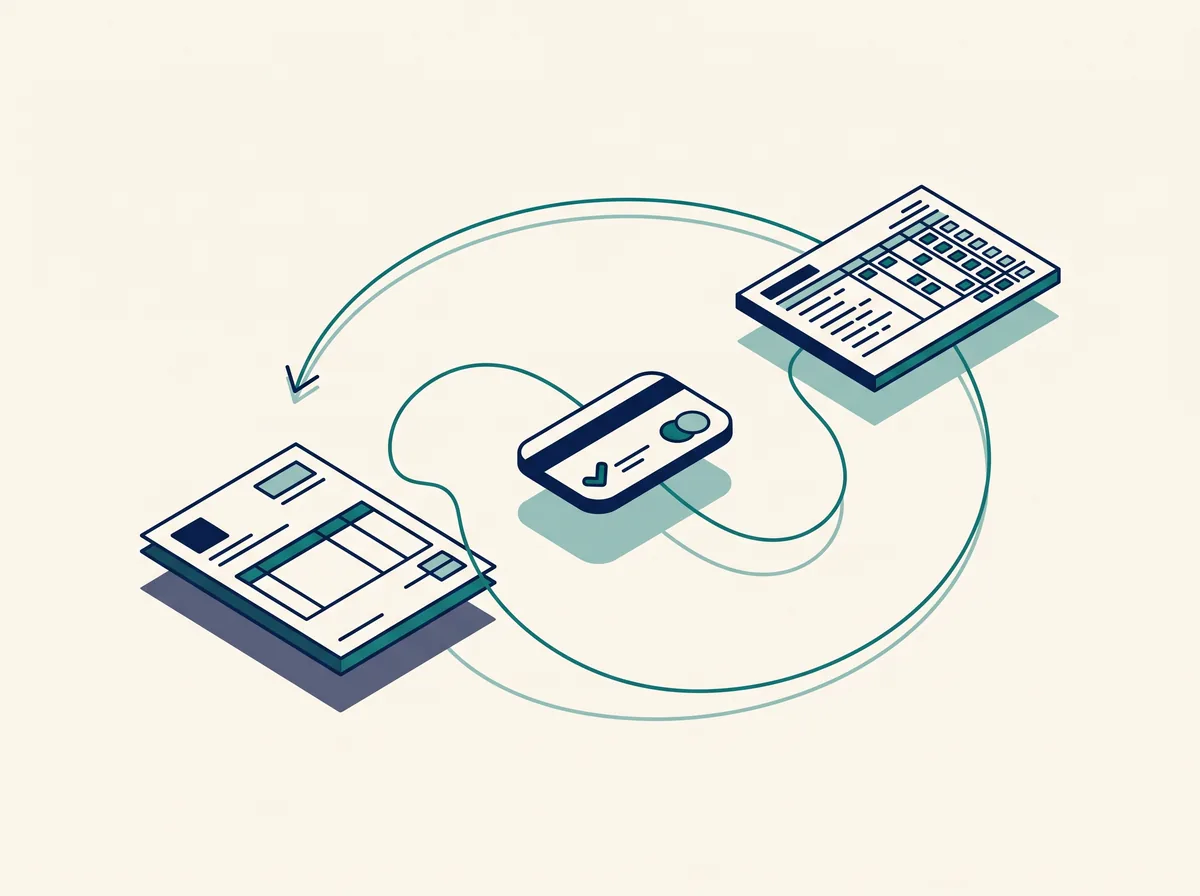
Illustration of billing and payments: an invoice flowing to a payment card and a reconciliation ledger

A note on boundaries

One thing the software should not do: make clinical calls. Catenix does not interpret clinical results and provides no clinical decision support. It captures, matches, quality-controls, records and reports; what a result means for the patient stays with your clinicians and the analyser's instructions for use.

Where clinics usually start

Most clinics start with the bench: connect the analysers, stop the typing, and let the rest follow. If you run screening or occupational programmes across sites, the occupational health solution and private labs and clinics pages show how multi-site clinics use the platform. For the wider category, the buyer's guide to point-of-care testing software covers the vendor questions in full.

← Back to resources

Questions, answered

The questions clinics ask first.

Will POCT software work with the analysers my clinic already owns?

In most cases, yes. Clinic analysers expose a serial, network or docking-station interface, and Catenix connects to them using standards such as HL7 v2, POCT1-A2 and ASTM E1394 plus vendor formats. Send us your device list and we will confirm each model before you commit.

Do I need a LIS to use POCT software in a private clinic?

No. Hospital middleware assumes a LIS sits behind it; most private clinics have none. Catenix is built to carry the whole workflow itself: registration, device capture, quality control, the branded report and the invoice, in one platform.

Can the software handle test packages and card payment?

Yes. Catenix links the clinical workflow to billing: define packages and price lists, raise the invoice from the visit itself, and take card payment. The test that was run is the test that is billed, with no separate spreadsheet to reconcile.

Does Catenix interpret results for my clinicians?

No. Catenix does not interpret clinical results and provides no clinical decision support. It manages capture, quality control, records and reporting; clinical judgement stays with your clinicians and the analyser's instructions for use.

See Catenix on your bench.

Bring your analyser list. We'll show results landing in the record, live.